Product Inquiry
Rooftop Screening Built for Coastal Exposure and High-Wind Demands
Article Summary
- Coastal and high-wind environments require rooftop screening systems designed for structural strength, corrosion resistance, and long-term durability.
- Screening solutions should be evaluated based on factors such as wind loads, building height, proximity to the shoreline, and local code requirements.
- Corrosion-resistant materials, such as aluminum frames, help withstand salt air, humidity, and harsh weather while reducing maintenance needs.
- Reinforcement options and engineered designs improve performance in extreme weather conditions and high-wind zones.
- Durable rooftop screening protects building aesthetics, conceals equipment, and minimizes long-term maintenance risks.
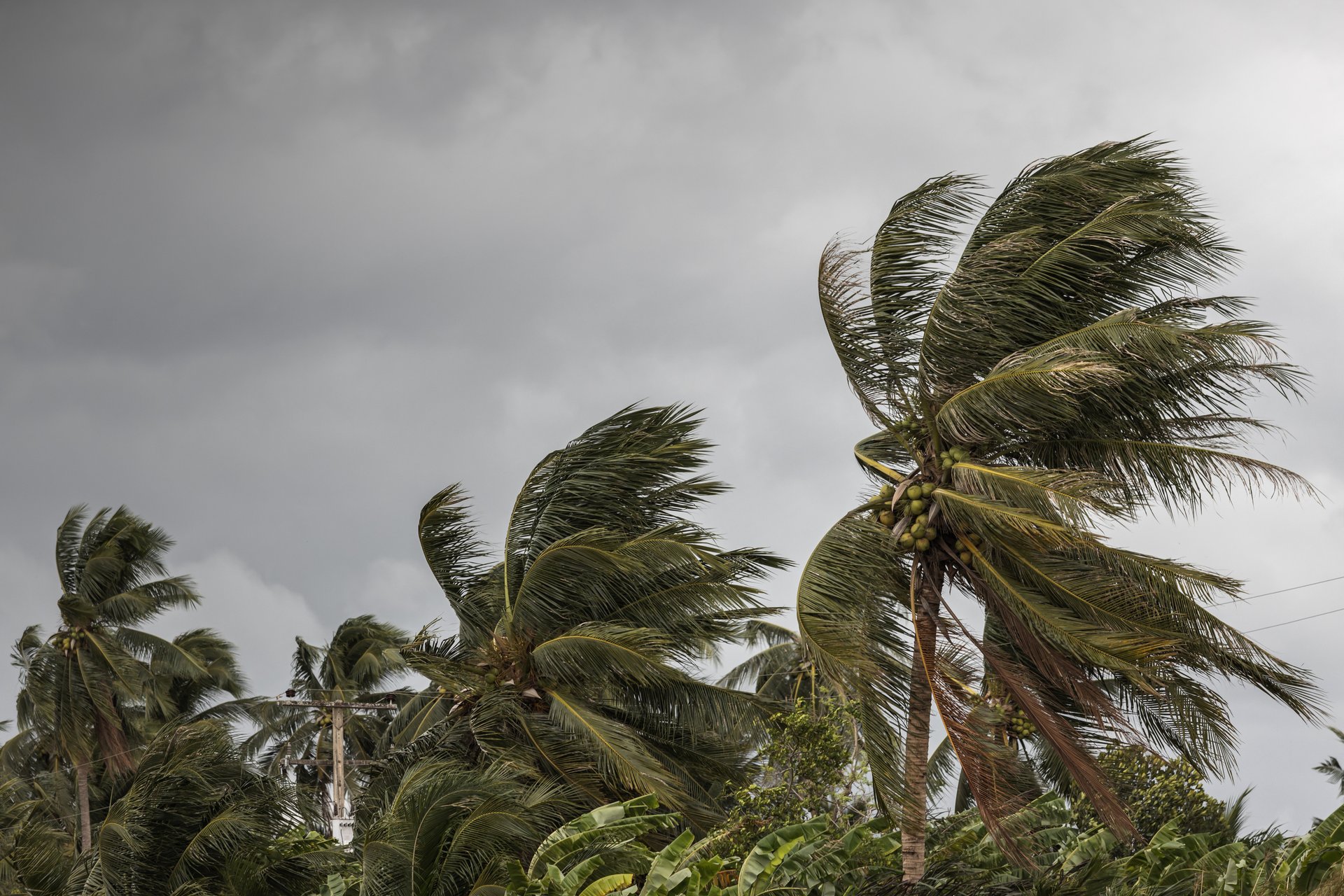
Rooftop equipment screening installed in coastal regions often are exposed to high winds. These projects demand screening systems engineered for structural performance, corrosion resistance, and long-term durability.
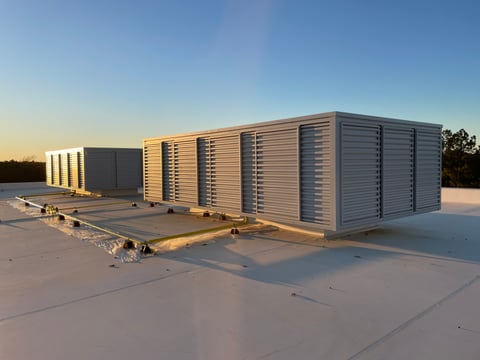
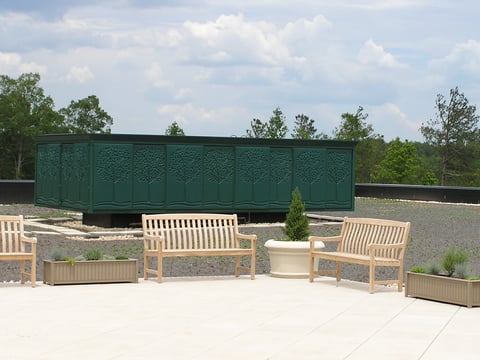
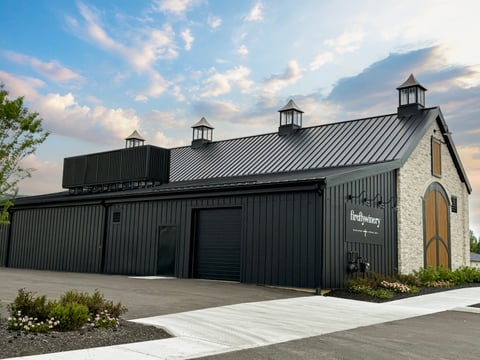
Envisor® rooftop screening solutions are designed to help protect building aesthetics while addressing the real-world demands of harsh weather, salt-laden air, and elevated wind loads. From initial design through fabrication and installation, we focus on performance where it matters most.
1. Designed with Weather in Mind
Every rooftop project has unique structural and environmental requirements. In coastal and high-wind applications, screening systems must be evaluated for factors such as distance from the coast, building height, wind load, local design criteria, and equipment layouts.
Unit-attached screening can resist wind loads of 180 mph, meeting Miami-Dade wind load requirements. Local design criteria may require providing stamped engineered drawings for approval or necessitate the use of post mounted screening within 1500 ft of the shoreline. Always check with the local ordinances when selecting a roof screening method.
2. Corrosion Resistance for Coastal Environments
Salt air, humidity, and constant exposure can quickly degrade materials that are not suited for coastal use. That’s why material selection and finishing are essential in marine-adjacent and high-moisture environments. Steel posts will rust over time and require additional maintenance compared to a unit-attached screening system with an aluminum frame.
3. Built for Long-Term Performance / Reinforcement Options for Added Strength
A rooftop screen should do more than meet day-one expectations. It should continue performing through changing seasons, extreme weather, and years of exposure.
By combining engineered design, reinforcement strategies, and corrosion-resistant materials, we help deliver screening systems built for long-term performance. The result is a solution that supports equipment concealment, protects architectural intent, and reduces the risk of avoidable maintenance issues over time.